Why Furniture Poverty Is a Hidden Barrier to Housing Stability
When someone moves into permanent housing after experiencing homelessness, it’s supposed to be a fresh start. A place to call their own. But simply having a roof over your head doesn’t necessarily make it feel like “home.”
Imagine walking into an apartment with nothing. No table to eat at, no couch to sit on, and nothing to make it actually feel like someone lives there. Just empty rooms and the quiet echo of your own footsteps.
This is what furniture poverty looks like. And it’s far more common than most people may realize.
What Is Furniture Poverty?
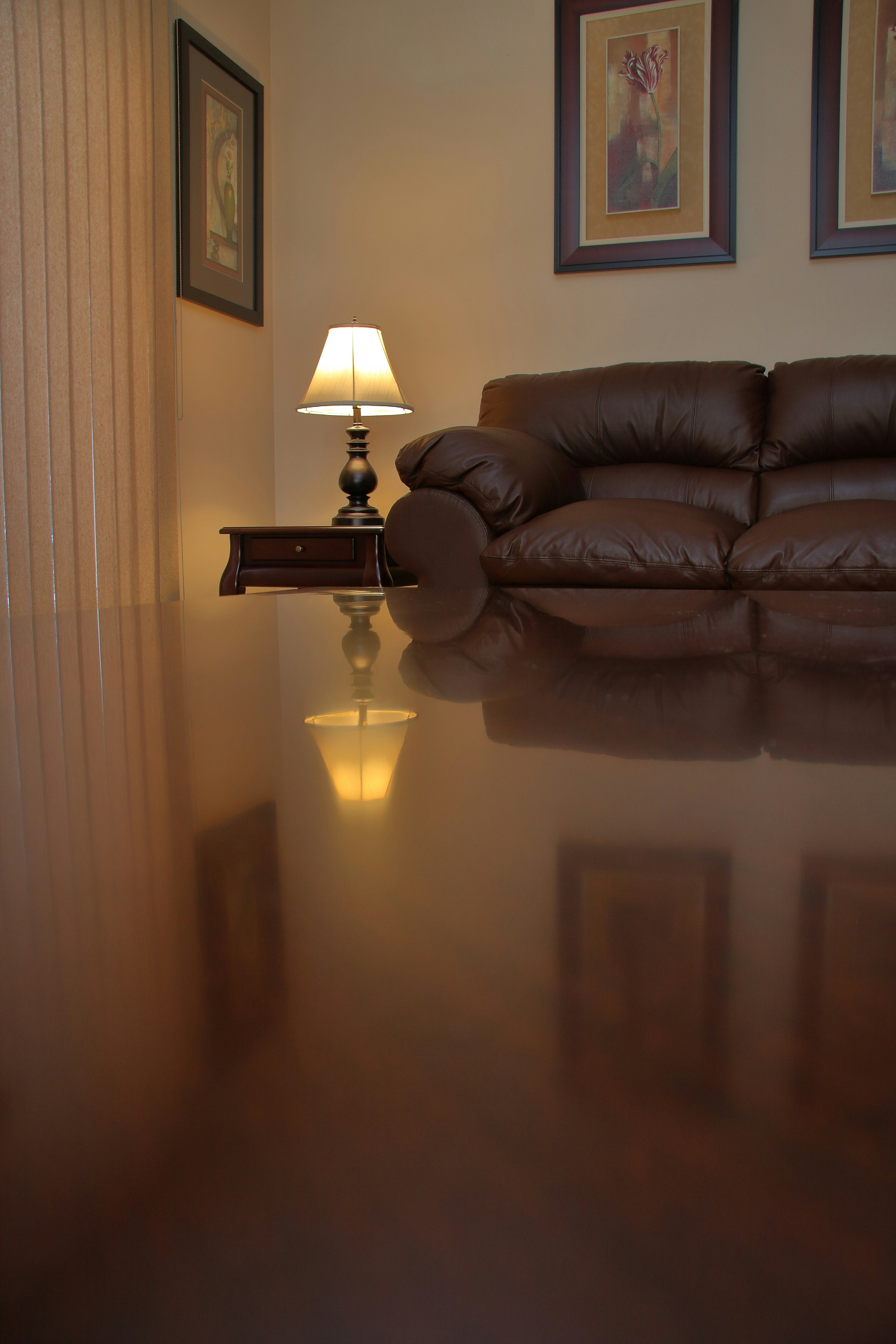
Furniture poverty is the inability to access, afford, or maintain the basic furniture and household goods that make a home functional, safe, and healthy. It’s not just about missing a bed or a couch, but about missing the things that allow someone to cook a meal, sleep well, and invite a friend over without feeling ashamed. Not having these things can make it hard to feel like you’re really home.
According to a 2025 national study by A Wider Circle, a nonprofit that helps thousands of individuals and families living in poverty, 32 percent of Americans are currently experiencing furniture poverty. In spring 2025, A Wider Circle, supported by several furniture banks across the country, conducted a survey of 69 furniture banks in 30 states and found that 73 percent of their clients are experiencing severe furniture poverty, meaning they are missing three or more essential items, which can include beds, tables, kitchenware, and more.
Why It Matters for Housing Stability
Furniture poverty isn’t just an inconvenience. It directly threatens the stability that housing programs work so hard to create.
Without a bed, people are left to sleep on floors. Without a table, families eat on the ground, and without basic cookware, they can’t even properly prepare those meals to eat in the first place. The consequences ripple outward: poor sleep, health issues, and the constant stress of living in a space that doesn’t feel comfortable and ready to really live in.
Furniture poverty can affect mental health, physical health, and social connection. People in furniture poverty may be unable to host others in their homes, which deepens isolation and makes it harder to build the community connections that support long-term stability.
In December 2025, Congresswoman Andrea Salinas (OR-06) introduced the Housing to Homes Act to support community furniture banks and provide home furnishings for families transitioning out of homelessness and into permanent housing, and at the time, a press release about the bill quoted Anna Kurnizki, Executive Director of Community Warehouse. She noted,
“Furnishing a home is not a luxury—it's a necessity. A bed to sleep on, a table to share meals, and a chair to sit on are essential components of a stable, healthy, and hopeful environment. Without these essentials, a housing unit can feel empty and temporary, and the risk of returning to homelessness remains all too real.”
The Gap Housing Programs Face and How LSE Bridges It
Housing providers do the hard work of securing leases and placing participants, but the reality is, many programs don’t have the budget or infrastructure to furnish every unit. Case managers are stretched thin, and sourcing individual items for each move-in is time-consuming and inconsistent.
That’s the gap Life Startup Essentials is here to fill.
At Life Startup Essentials, we deliver curated Welcome Home Kits that include everything a resident needs to turn an empty unit into a livable home. Because we believe that gaining stable housing is just the first step, and we are always thrilled to work with housing providers to make sure furniture poverty doesn't become the reason a placement fails.
Contact us to learn more about how our kits can support your program.
